Wolves of the World
See the different types of wolves across the world, and enjoy the majesty of one of the world's most storied canine. Enjoy!
Random Wolf Quotations
A lone wolf is strong, but the strength of the pack is the wolf’s true power. ~ Unknown
Wolves
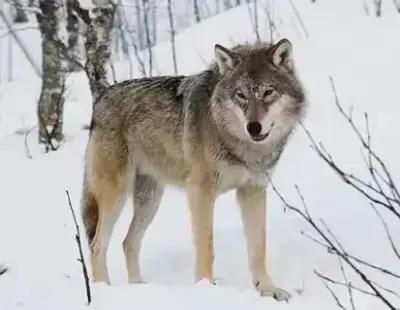
Gray Wolf
Canis lupus
Different subspecies of Gray Wolf made their home in the untamed wilderness of North America, the remote expanses ...
Lorem ipsum dolor sit amet, consectetur adipiscing elit. Pellentesque in nunc vel justo gravida tempor. Vestibulum ante ipsum primis in faucibus orci luctus et ultrices posuere cubilia curae.
Wolves
About Wolves
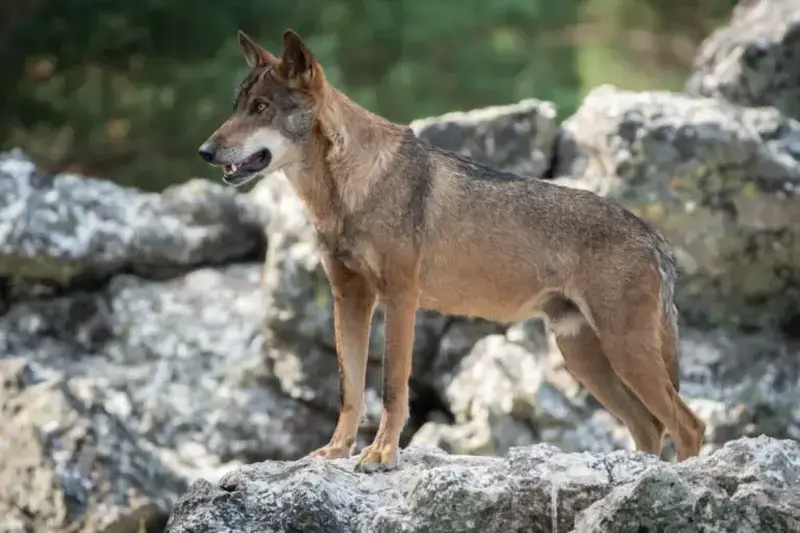
Wolves, distinguished members of the Canidae family, have roamed diverse ecosystems across the globe for centuries. Canis lupus, or the gray wolf, is the most widely recognized, serving as the root species from which various subspecies have evolved, and is one of the most popular animals in the world.
These subspecies, from the tundra to forested regions, are adapted to their environments, exhibiting unique characteristics that enable survival in the wild. Biologists have identified multiple types of wolves, each with distinct traits related to their habitat, diet, and behavior.
The classification of wolf subspecies can be complex, reflecting geographical variations and evolutionary adaptations. While some sources mention upwards of 27 types of wolves, others recognize fewer due to overlapping characteristics and genetic similarities. Notably, the gray wolf has numerous subspecies, including the well-documented red wolf and the arctic wolf, each with a clear set of identifying features and conservation statuses.
Understanding the diversity among wolf species is not just a matter of academic interest but pivotal for their preservation. As apex predators, wolves play crucial roles in their ecosystems by controlling prey populations and influencing ecological balances.
Resources
Wolves are magnificent creatures known for intelligence, strength, and pack mentality.
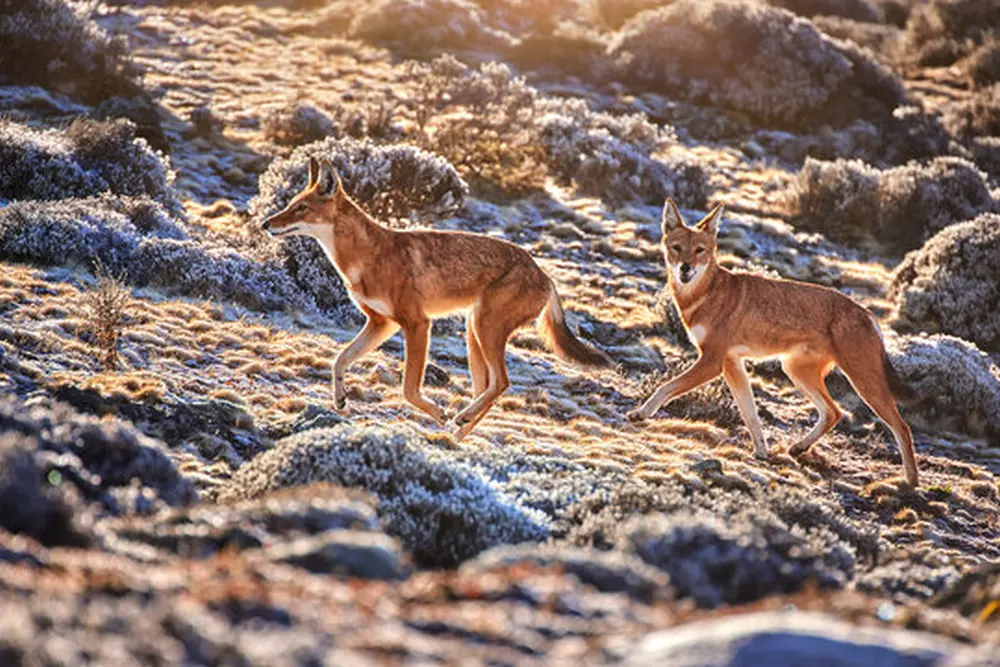
Abyssinian Wolf
Canis simensis
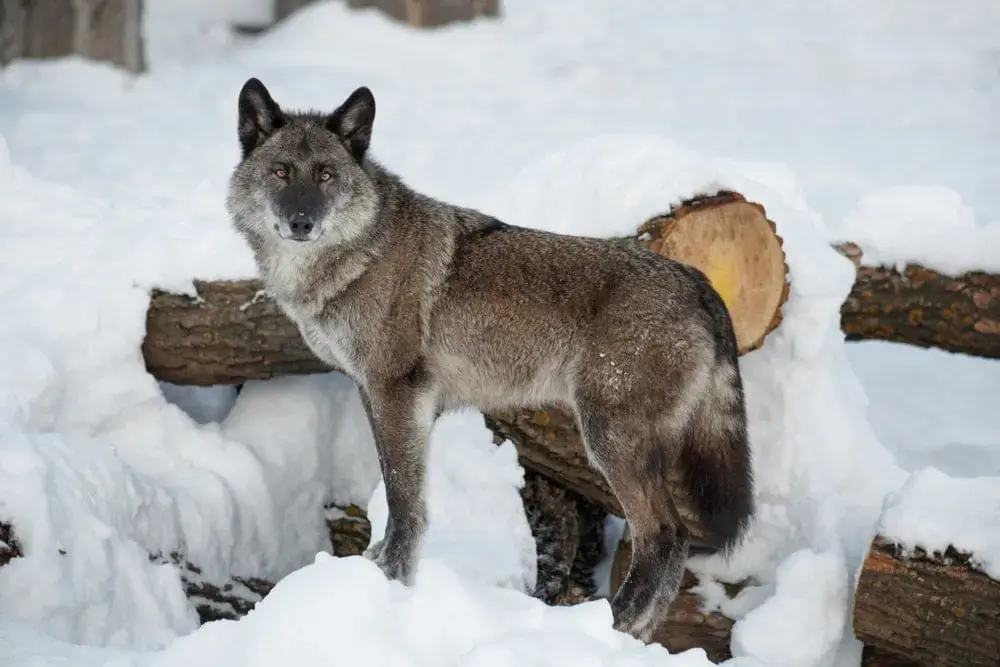
Alaskan Interior Wolf
Canis lupus
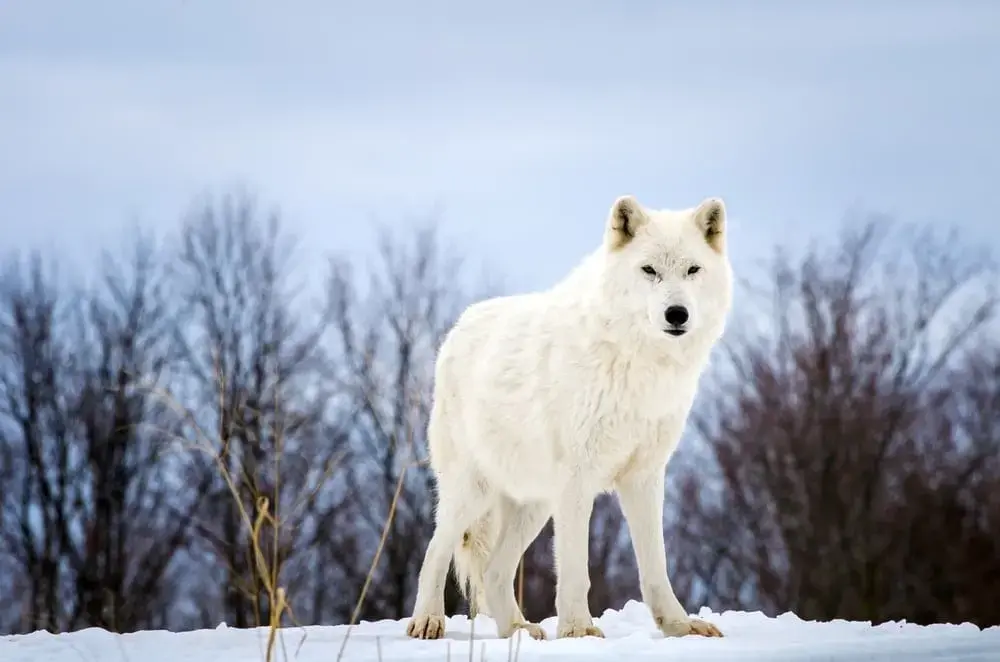
Arctic Wolf
Canis lupus arctos
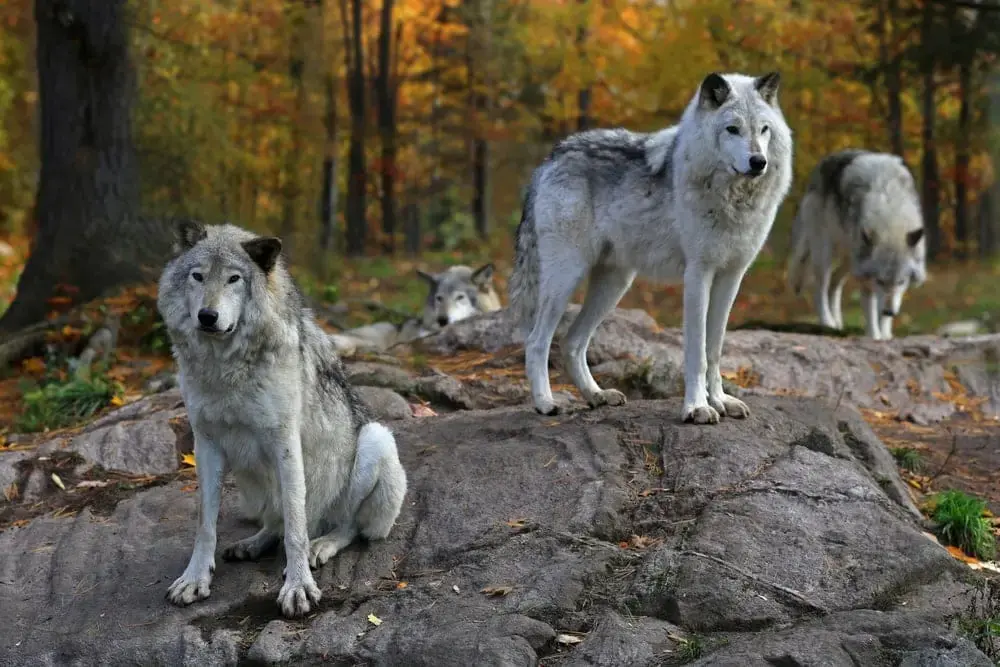
Eastern Wolf
Canis lupus lycaon
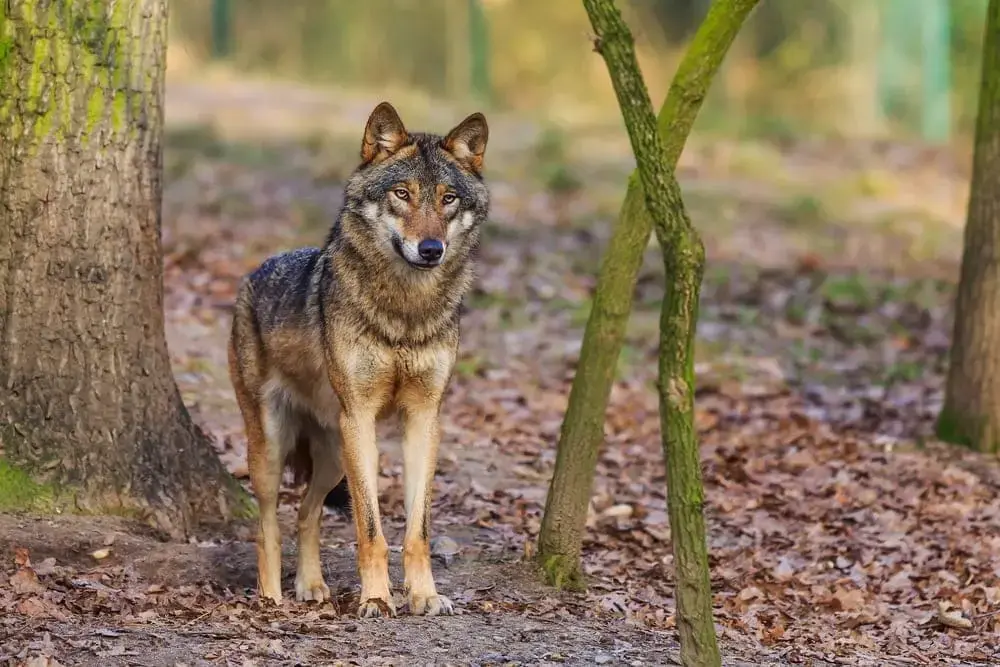
Eurasian Wolf
Canis lupus lupus
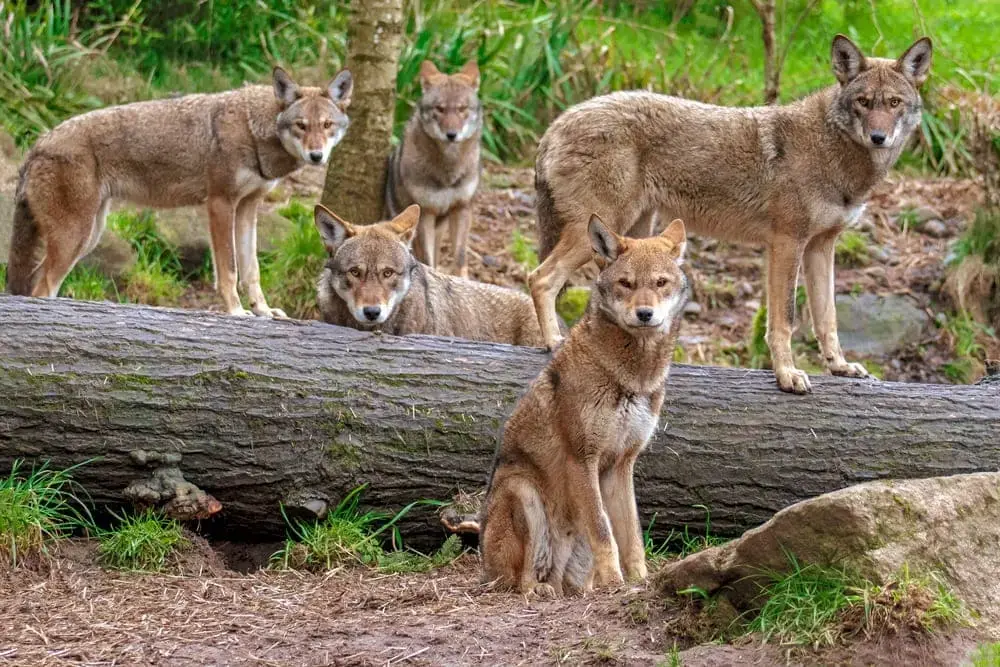
Red Wolf
Canis rufus
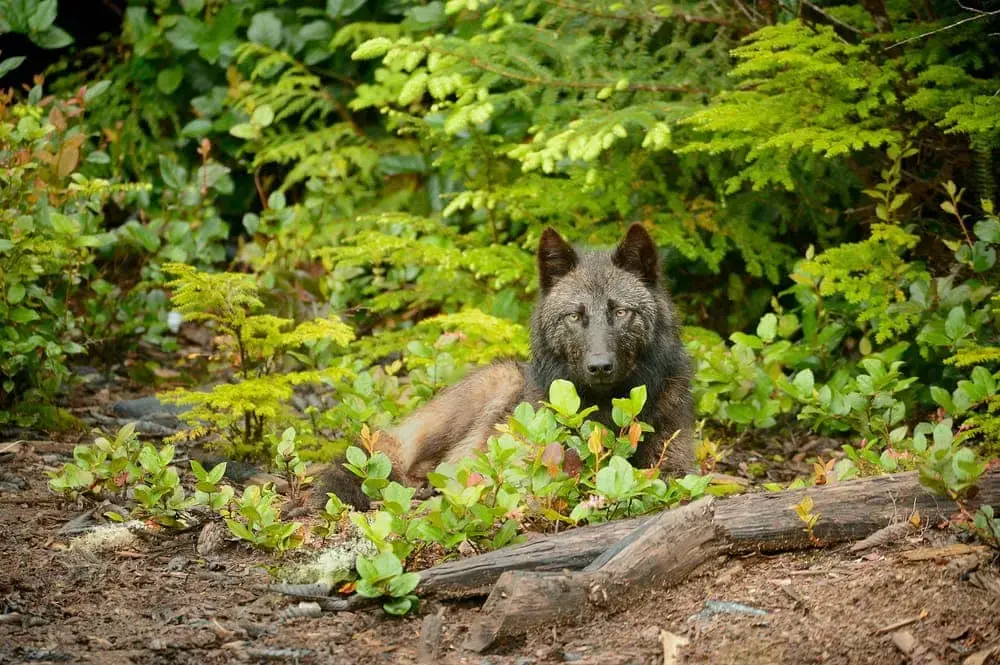
Vancouver Wolf
Canis lupus
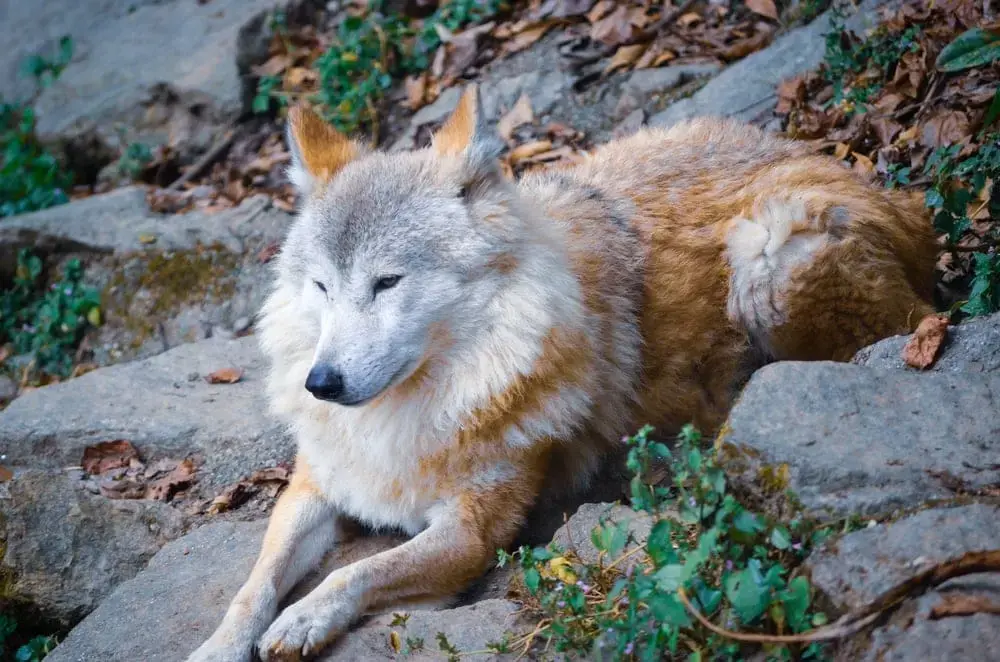
Himalayan Wolf
Canis lupus chanco
Wolves are found throughout much of North America, Europe, and Asia, including many islands. Studies suggest there may be up to 38 distinct subspecies of Canis Lupus or Grey Wolves globally (source). Some names used to describe these subspecies include timberwolves (Canis lupus occidentalis), Tundra Wolves (Canis lupus albus), Eurasian Gray Wolves (Canis lupus lupus), and Iberian And Mainland European Wolves (Canis lupus italicus), among others.
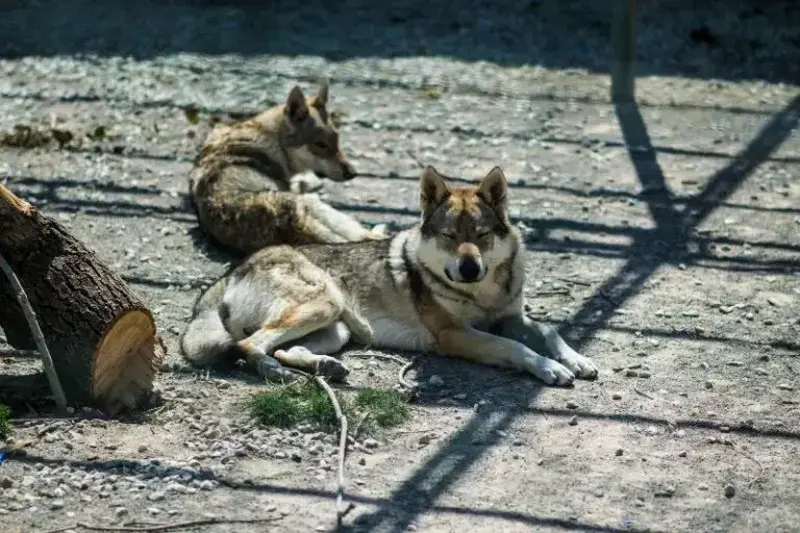
While these subspecies share similarities, varying in size and coloration, some subspecies are unique to a particular region. For example, Mexican gray wolves (Canis lupus baileyi) are only found in the southwestern US and Mexico. Eastern wolves (Canis lycaon), previously classified as a Canadian species, is now seen as a distinct population of grey wolves and include populations within Southeast Canada.
While distinguishing wolf subspecies requires advanced scientific knowledge and genetic testing tools, understanding the names and geographic distribution helps one appreciate the plethora of wolf varieties worldwide.
Contact Us
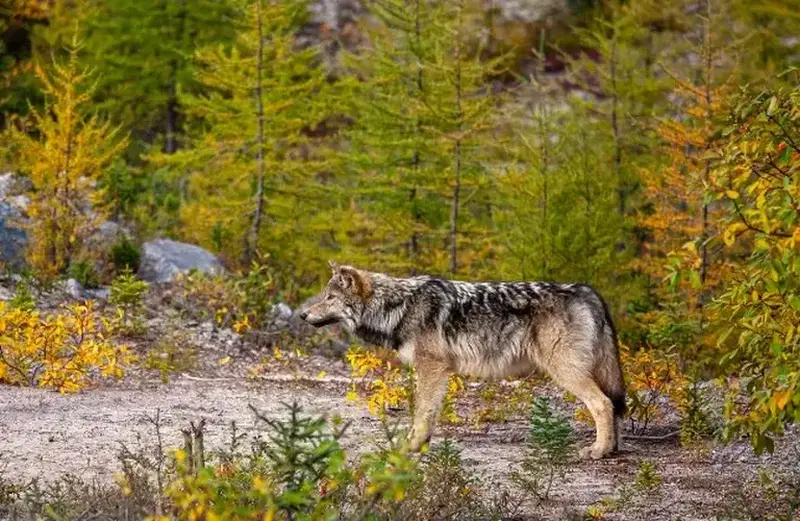
A diverse range of subspecies characterizes the fascinating world of wolves. Among these, the timberwolf, tundra wolf, and arctic wolf are particularly noteworthy for their distinct characteristics and wide geographical distribution.
The timberwolf, more commonly known as the gray wolf, is found in forested areas across North America and Eurasia. The name 'timber' pays homage to the wooded landscapes these magnificent creatures inhabit, where they stealthily blend in and navigate the terrain with ease.
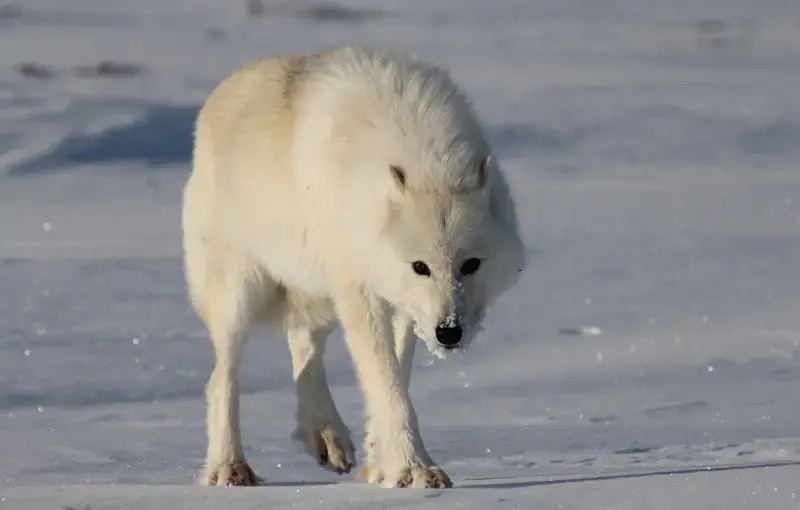
In contrast, the tundra wolf and arctic wolf are subspecies of the gray wolf that have evolved to withstand the harsh conditions of the far north. The tundra wolf is native to the Arctic tundra of northern Russia and Siberia, a landscape dominated by permafrost and low-growing vegetation.
On the other hand, the Arctic wolf resides in the extreme cold of the Arctic regions of North America and Greenland, facing limited prey availability and unforgiving weather. These subspecies have developed unique traits, such as thicker and lighter-colored fur, to survive and camouflage within their icy surroundings.
404 Error!
Please try again later. We cannot find this page